Study housing, electrification, and permitting policy with clean, AI-classified permit data — at researcher-friendly terms.







Shovels is SOC 2® Type II certified
We meet the security and data governance requirements of universities, research institutions, and grant-funded projects. Our independently audited controls are built to satisfy institutional procurement and data management plan requirements.
01
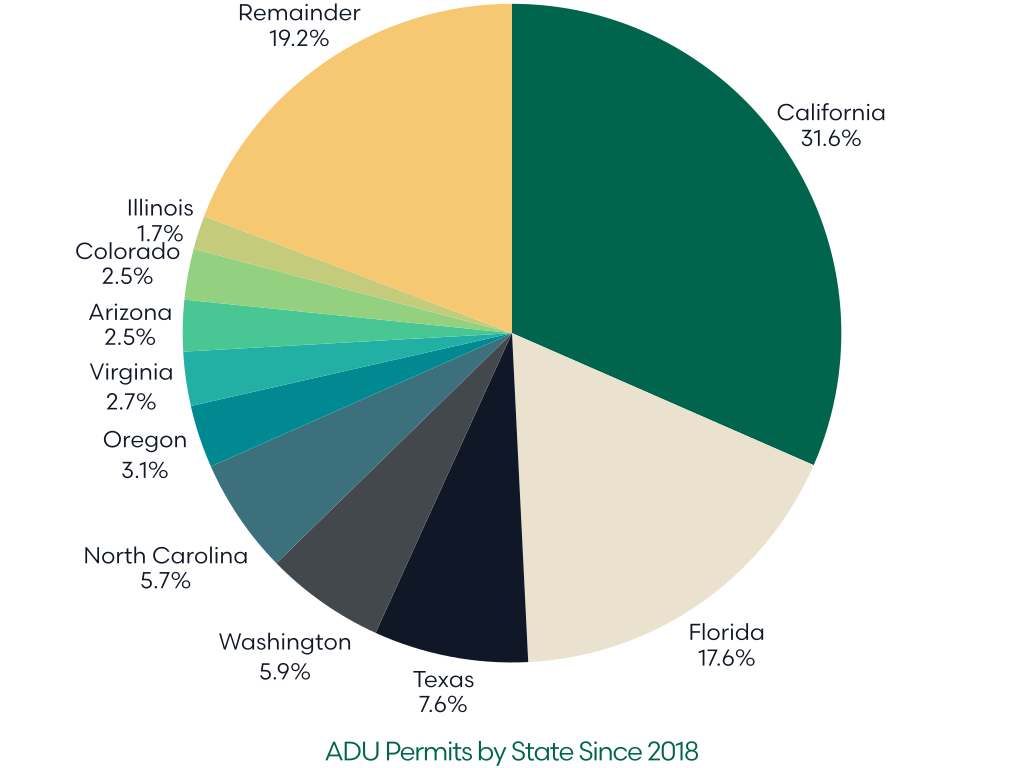
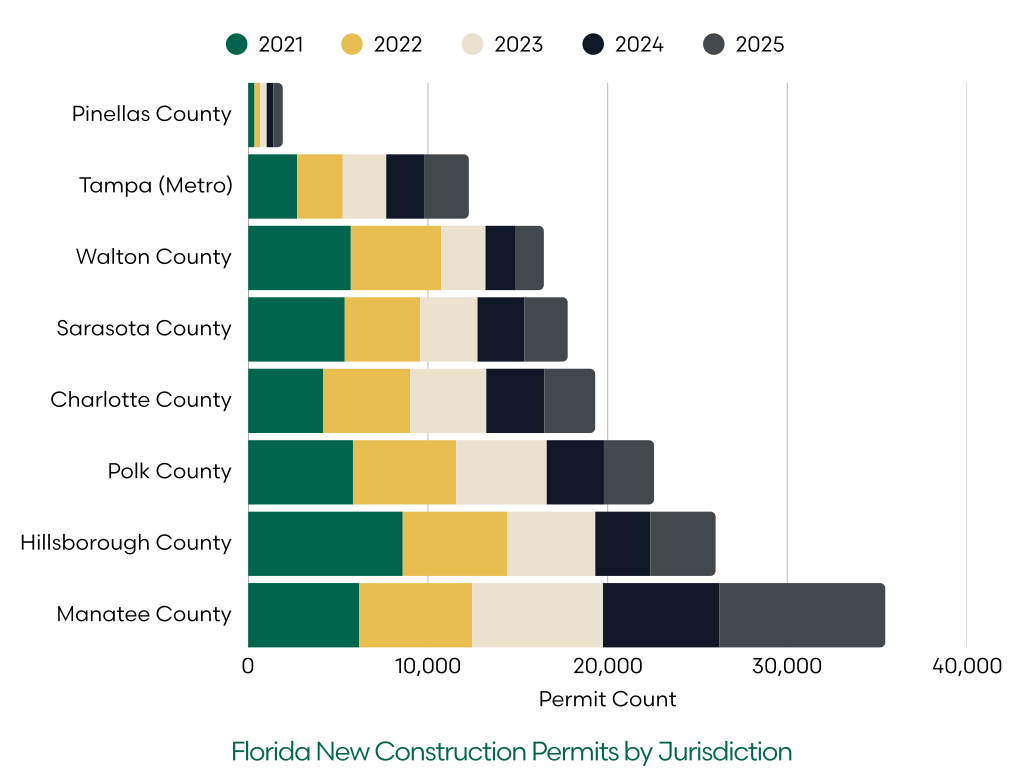
Count new construction, multifamily, and ADU permits across thousands of jurisdictions with AI-classified, deduplicated records — no manual text mining required.
02
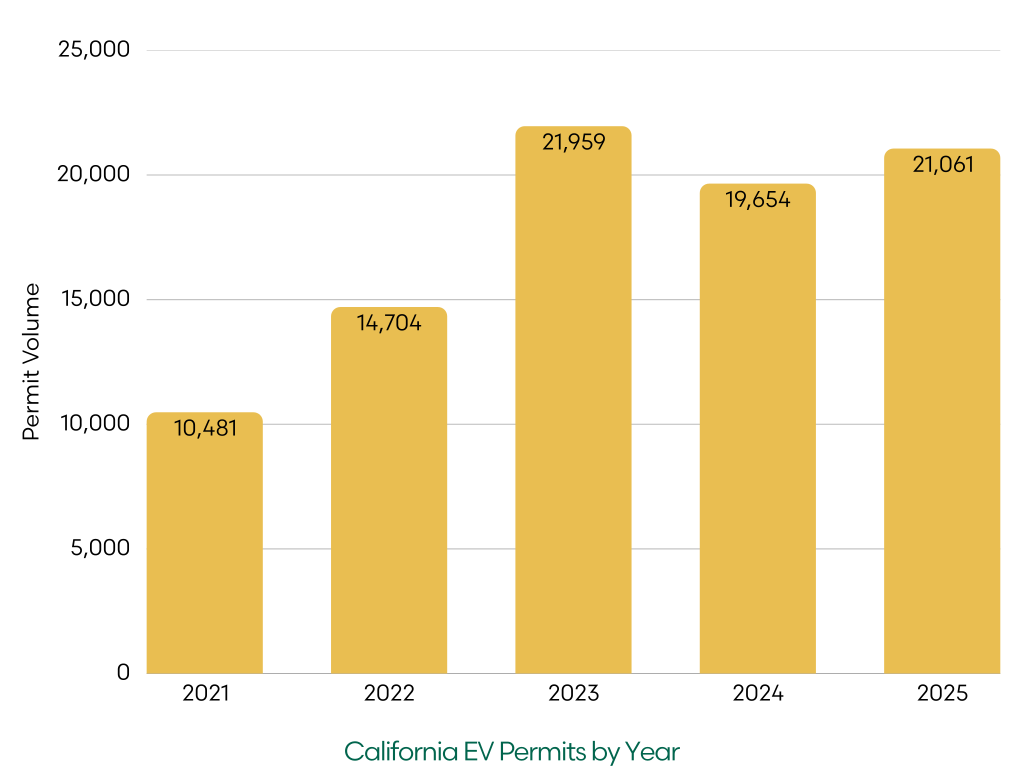
Study heat pump, solar, EV charger, battery, and electrical panel upgrade adoption with pre-classified permits spanning 20+ years of history.
03
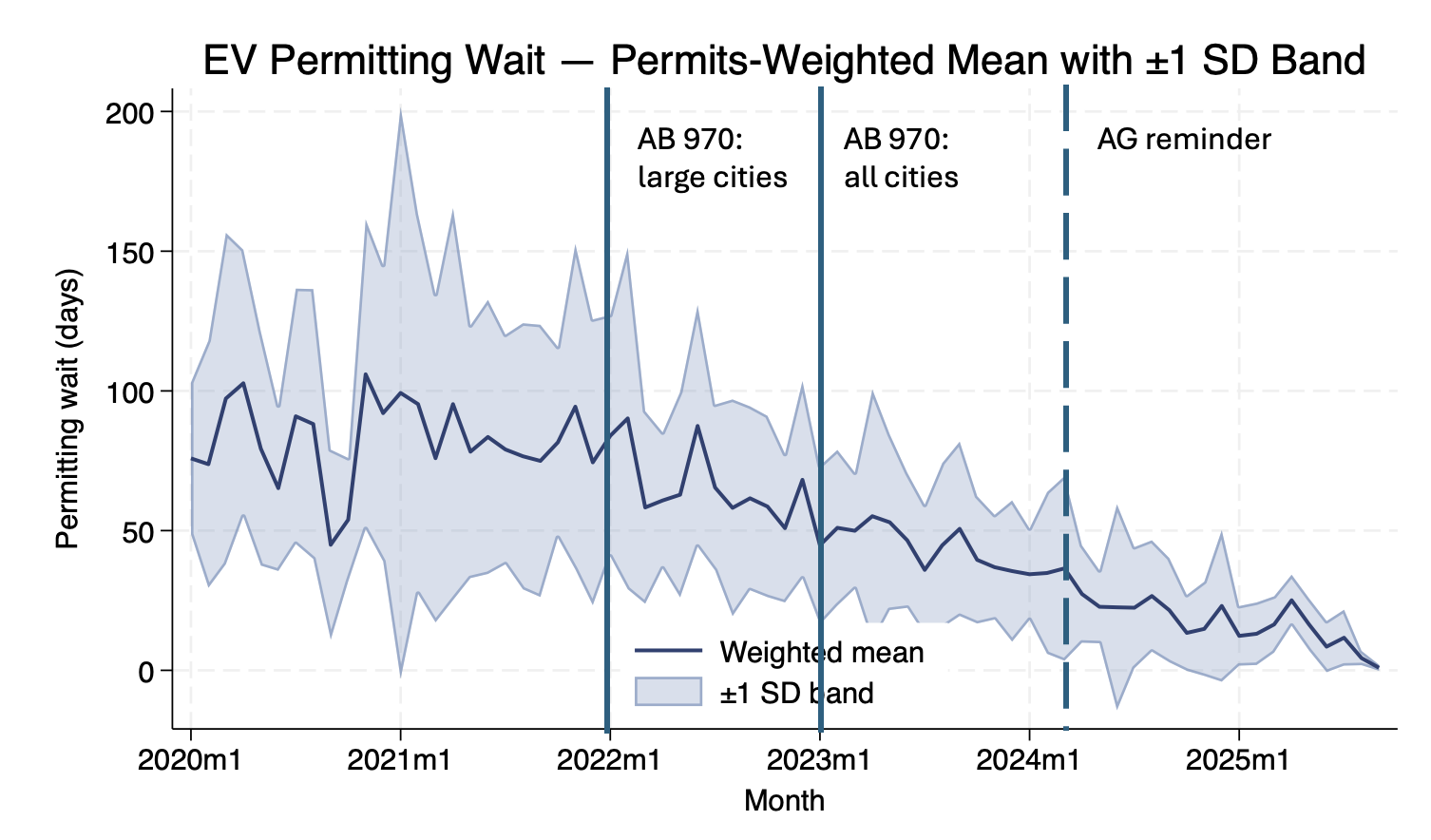
Compare how long permits take and what they cost across jurisdictions to identify bottlenecks and evaluate the effects of streamlining legislation.
04
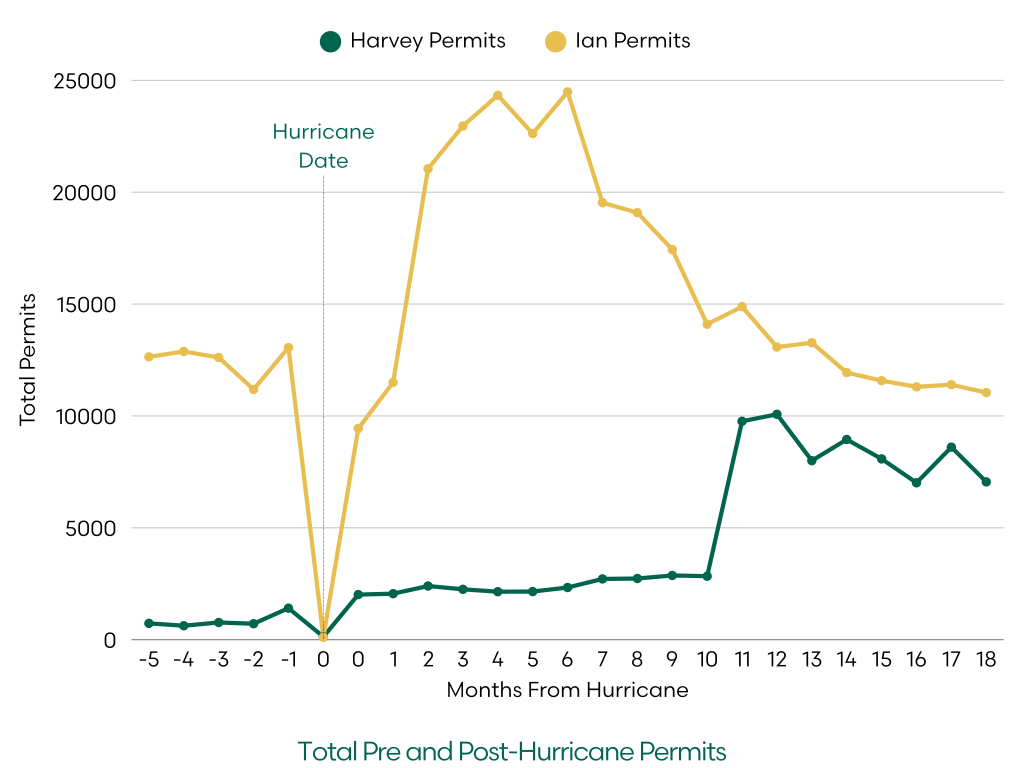
Track rebuild, repair, and retrofit permits after hurricanes, wildfires, and floods to model how communities recover — down to the address level.
05
Use permit and contractor records to study market structure, firm behavior, and renovation trends that surveys and annual reports can't capture.

Access our data via API, SFTP, Snowflake, BigQuery, or Databricks. Custom feeds are also available.

Clean, structured inputs out of the box. No raw text parsing required. Check out our data dictionary for details.

Millions of new records (online and offline sources) are added each cycle to keep your data fresh.
We source data from thousands of jurisdictions online and offline through public records. New jurisdictions are added continuously based on market trends & customer demand, with coverage spanning all major metros and expanding rural markets.
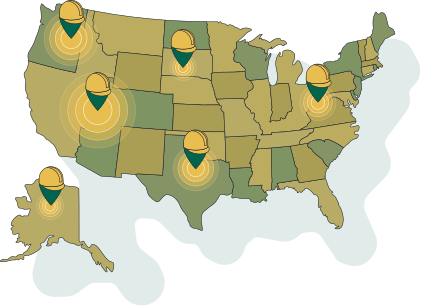
Shovels provides 196M+ geocoded building permits from 2,820+ U.S. jurisdictions, each AI-classified by project type and linked to contractor and property records. Researchers use it to study housing production, electrification, permitting policy, disaster recovery, and construction markets.
Yes. Our academic pricing program offers discounted rates for universities and research institutions, including one-time bulk data purchases with perpetual licensing for research use. Datasets can be scoped by geography, permit category, and time period to fit grant budgets.
However your research workflow requires: API access for programmatic queries, or bulk delivery as CSV or parquet files via S3, Snowflake, BigQuery, or Databricks. Sample files are available so you can evaluate the schema and fill rates before purchasing.
Historical depth varies by jurisdiction, with up to 20+ years of permit history in many markets. That makes long-run analyses possible — from electrification adoption curves to multi-decade disaster recovery studies.
Shovels ingests raw permits from thousands of jurisdiction systems, then normalizes, deduplicates, and geocodes every record. AI classification reads each permit's type and description and assigns it to standardized categories and tags — so you can query heat pumps, ADUs, or roof repairs directly instead of parsing free text.
Yes. Researchers can analyze and publish findings built on Shovels data with attribution — we simply ask that you credit Shovels as the data source. We are happy to support publications with methodology documentation, data dictionaries, and co-marketing when your work goes live.
Join researchers at MIT, Stanford, Berkeley, and beyond who use permit data to answer questions about housing, energy, and policy.