
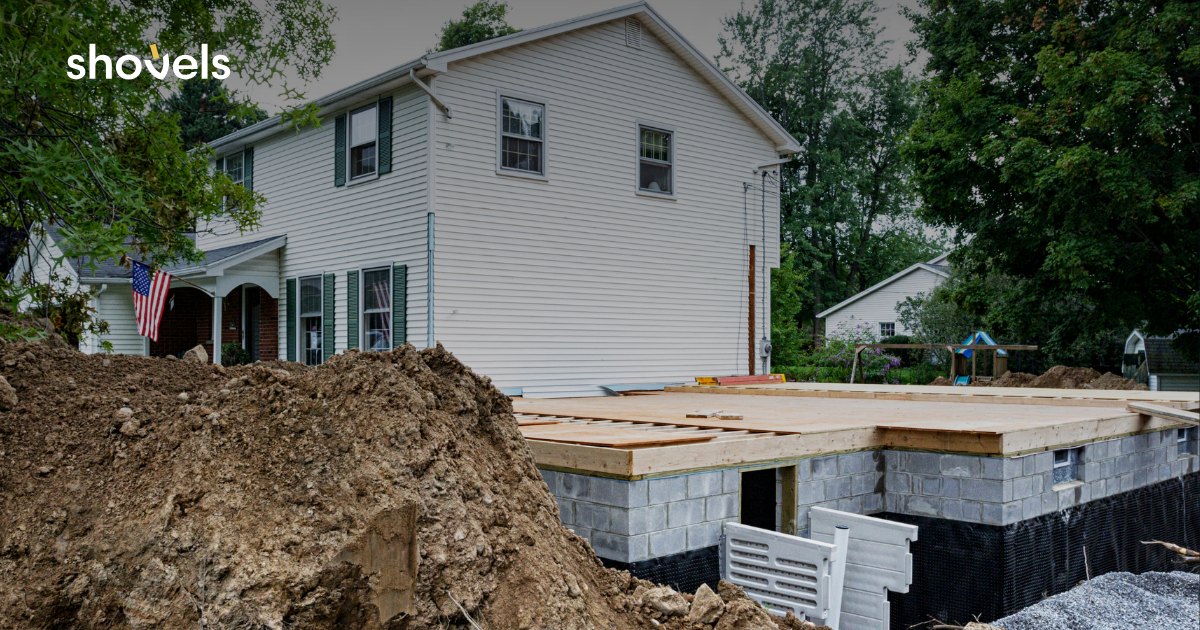

A zoning variance is official permission from a local government to use or build on a property in a way that deviates from requirements in the zoning code. The underlying zoning doesn't change. A variance simply allows one property to deviate from a specific rule, usually because enforcing it would create an unnecessary hardship.
Key Takeaways
- Zoning variance: permission to deviate from a specific zoning requirement without changing the property's zoning designation.
- Two types: use variances change what a property can be used for, while area variances relax dimensional rules like setbacks, height, or lot coverage.
- Hardship standard: most boards require proof of a hardship unique to the property that the owner did not create.
- Runs with the land: an approved variance typically stays with the property, not the owner who obtained it.
- Tracking decisions: Shovels Decisions captures variance requests, approvals, and denials from local government meetings across the country.
What Is a Zoning Variance?
Here’s the simplest zoning variance definition: a variance is a licensed exception to the zoning code, granted to a single property, for a single rule. Every parcel in a city falls under a zoning designation that dictates what can be built there and how. Lot size minimums, setback distances, height limits, parking requirements, and permitted uses are all set by that code. A variance in zoning lets one property deviate from one of those requirements while everything else in the code still applies.
Variances are typically granted by a board of zoning appeals (sometimes called a zoning board of adjustment) after a public hearing. The applicant has to show that strict enforcement of the rule would cause an unnecessary hardship, that the hardship stems from conditions unique to the property, and that granting the exception would not harm the surrounding neighborhood or undermine the intent of the zoning ordinance.
This is what separates a variance from rezoning. Rezoning changes a property's zoning designation entirely, which changes the full set of rules that apply. If you need to run a business in a residential district, that is usually a rezoning or conditional use question. If your planned garage sits three feet inside a required setback, that is variance territory.
Use Variances vs. Area Variances
Variances come in two forms, and the distinction matters because approval standards differ based on the type.
An area variance (also called a dimensional variance) relaxes a physical requirement: setbacks, building height, lot coverage, frontage, or parking counts. These are the most common type and the easiest to obtain. A homeowner whose irregularly shaped lot makes a standard setback impossible is the classic area variance case.
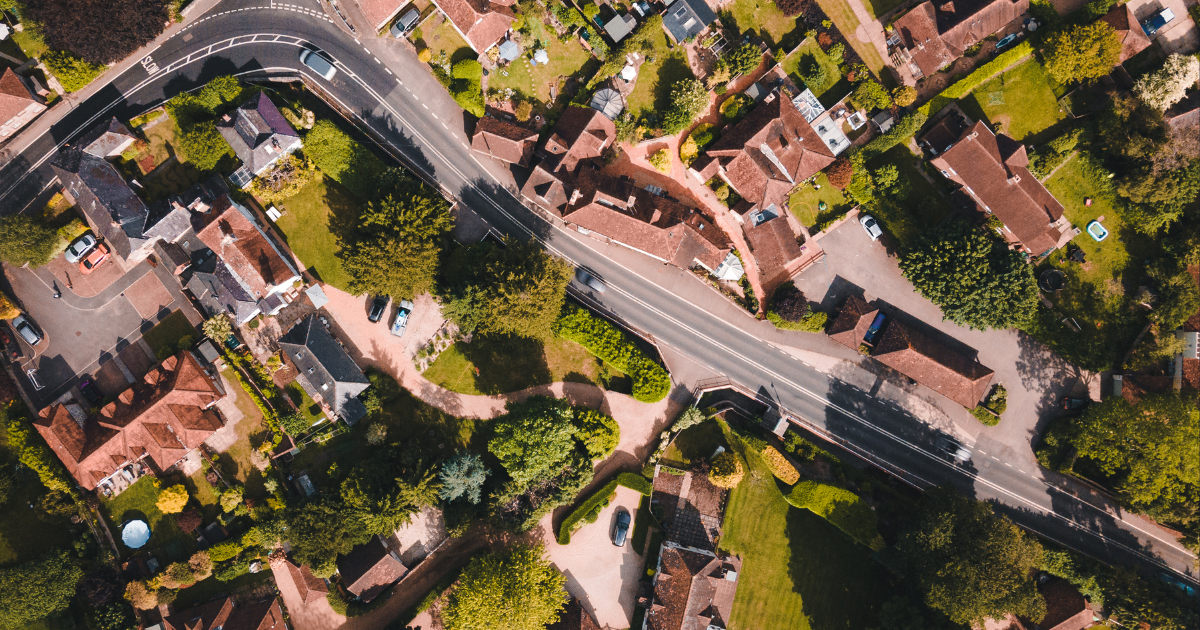 Aerial view of a residential neighborhood with various structures.
A use variance permits a use the zoning district prohibits, like operating a small commercial use in a residential zone. Use variances face a much higher bar. Many jurisdictions require proof that the property cannot yield a reasonable return under any permitted use, and some states prohibit use variances outright, pushing applicants toward rezoning or a conditional use permit instead.
Arguments For and Against Zoning Variances
Variance hearings are public, and opposition is common, so it helps to know both sides.
The case for granting a variance rests on fairness and flexibility. Zoning codes are written for typical lots, and rigid enforcement can make unusual parcels unbuildable through no fault of the owner. Variances give the code a safety valve that avoids constitutional takings claims and keeps the property productive.
The best arguments against a zoning variance have to do with the approval criteria. Opponents typically argue that the hardship is self-created (the owner bought the property knowing the constraints). They argue that the variance would change the character of the neighborhood, that it would set a precedent inviting similar requests, or that a reasonable alternative exists.
Note that boards deny variances mostly on these grounds, so applicants should be ready to answer each one directly.
Variance decisions happen in local board meetings, which makes them hard to track at scale. Shovels Decisions aggregates zoning variance requests, approvals, and denials from local government meeting records nationwide. This way, you can see where exceptions are being granted and what development pressure looks like before permits are filed.
How to Apply for a Zoning Variance
The process differs by jurisdiction, but most applications follow the same sequence:
- Confirm you need one. Review the zoning code or ask your local zoning office whether your project actually violates a requirement, and whether an administrative waiver exists. Your authority having jurisdiction can tell you which board hears variance requests.
- Prepare the application. Most boards require a completed form, a site plan or survey showing the deviation, photos, and a written statement addressing the hardship criteria. Fees typically range from $100 to over $1,000 depending on the jurisdiction and project type.
- Notify the neighbors. Nearly all jurisdictions require mailed notices to nearby property owners and a posted sign on the property. Talking to neighbors before the hearing is not required, but support letters carry real weight.
- Attend the public hearing. You (or your representative) present the request to the board of zoning appeals, answer questions, and respond to any opposition.
- Receive the decision. Boards approve, approve with conditions, or deny. Approved variances often carry an expiration date if construction does not begin within a set period, commonly 12 to 24 months.
If the variance is approved, you still need building permits. Remember that the variance clears the zoning obstacle, but it does not authorize construction by itself. For that, you’ll need a building permit.
Tracking zoning variances, rezonings, and land use decisions? Shovels Decisions turns local government meeting records into structured data. Contact us for a data sample, or if you have any questions.
Frequently Asked Questions
- How do you get a zoning variance approved?
-
Address the approval criteria head-on: document a hardship that is unique to the property and not self-created, show the deviation is the minimum necessary, and demonstrate the project will not harm neighboring properties. Letters of support from adjacent owners and a clean, professional site plan measurably improve the odds.
- Do you need an attorney to get a zoning variance?
-
No, and most homeowners handle simple area variances themselves. A zoning variance attorney makes sense for use variances, contested hearings with organized opposition, commercial projects, or appeals after a denial.
- What is the difference between a zoning variance and a conditional use permit?
-
A variance excuses a property from a rule the code imposes. A conditional use permit authorizes a use the code already anticipates but only allows under conditions. If the code lists your use as conditional, apply for a CUP. If the code flatly prohibits what you need, a variance (or rezoning) is the path.
- How long does it take to get a zoning variance?
-
Plan on one to three months in most jurisdictions. The timeline is driven by application completeness, public notice periods (often 10 to 30 days), and the board's meeting schedule.
- How much does a zoning variance cost?
-
Application fees usually run $100 to $1,000 or more. Add survey or site plan costs, and attorney fees if the case is contested. Complex commercial variances can reach several thousand dollars all-in.
- Does a zoning variance expire?
-
An approved variance generally runs with the land, meaning it transfers to future owners. Many jurisdictions void a variance if the approved work does not begin within a set window, so check the conditions attached to the approval.
- What happens if a zoning variance is denied?
-
You can typically appeal the decision to a court within a set deadline, redesign the project to conform, or reapply after a waiting period (often one year) if circumstances change.
- Is a zoning variance the same as rezoning?
-
No. Rezoning changes the property's zoning designation and the full set of applicable rules, and it requires legislative approval. A variance is a narrow exception granted administratively for one property and one requirement.