


A grading permit is official approval to change the shape of the ground on a site: cutting into slopes, adding fill, leveling pads, or reshaping drainage. Jurisdictions require grading permits because moving earth badly can cause real damage, from flooded neighbors to failed slopes. If your project changes how water flows or how much soil moves, assume grading rules apply.
Key Takeaways
- Grading permits authorize earthwork that cuts, fills, or reshapes a site, separate from the building permit.
- Typical triggers include moving more than a threshold volume of soil (often 50 cubic yards), cuts or fills past a set depth, work near slopes, or changes to drainage.
- A grading plan is the engineered drawing at the heart of the application, showing existing and proposed elevations, drainage, and erosion controls.
- Grading bonds are sometimes required. Many jurisdictions need a financial guarantee that the work will be completed to plan.
- If you need to track earthwork, Shovels permit data includes grading permits that flag sitework starting. It’s often the first permit filed on a development.
What is a grading permit?
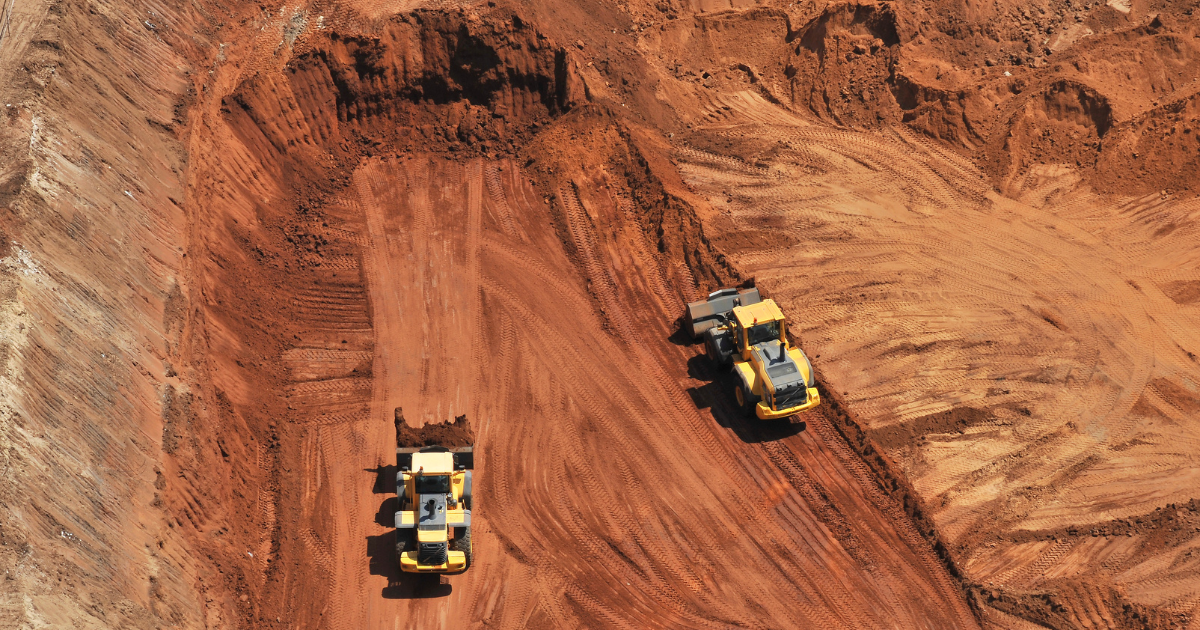
A grading permit authorizes construction grading: the earthwork that prepares a site for building. Grading in construction means reshaping the ground to create level building pads, stable slopes, proper drainage, and correct elevations for foundations, driveways, and roads. Cut (removing soil), fill (adding soil), compaction, and rough and finish grading are all part of the discipline.
A strict permitting process exists because earthwork creates risks that extend beyond the property line. Poorly compacted fill settles and cracks foundations. Redirected stormwater floods downhill neighbors. Exposed soil erodes into storm drains and creeks. Grading codes in most of the US set engineering standards for all of this, and the permit is how the local building department, your authority having jurisdiction, enforces them.
It’s important to note that grading permits are usually separate from building permits, and on larger projects it is often the first permit filed. That makes grading permits a useful early signal: when a developer pulls one, sitework is about to start.
When is a grading permit required?
Thresholds vary by jurisdiction, but the common triggers are consistent:
- Volume of earth moved. Many codes exempt work under 50 cubic yards of cut or fill; above that, a permit is required. Some jurisdictions set the line lower or higher.
- Depth of cut or fill. Cuts or fills deeper than a set amount (commonly 3 to 5 feet) trigger permitting regardless of volume.
- Slopes. Work on or near steep slopes almost always requires a permit and often a geotechnical report.
- Drainage changes. Altering where stormwater flows, even with minor earthwork, commonly triggers review.
- Disturbed area. Sites disturbing more than an acre generally also need a stormwater (SWPPP/NPDES) permit on top of local grading approval.
So, do you need a grading permit to regrade your yard? For minor leveling that moves a few yards of soil and does not change drainage onto neighboring lots, usually no. For anything involving retaining walls, slope work, imported fill by the truckload, or new drainage patterns, usually yes. The answer is always jurisdiction-specific, so check with your local building department before the excavator shows up.
Tracking construction work? You can check if a grading permit was pulled in your area directly in the Shovels database. It’s just one of many AI-derived permit categories we offer. Check out our Data Dictionary to learn more.
What is a grading plan?
A grading plan is the engineered drawing at the center of a grading permit application. It shows the site's existing contours and the proposed final contours, typically overlaid so the reviewer can see exactly what changes.
A complete grading plan usually includes existing and proposed elevations and contour lines, cut and fill quantities, drainage arrows and stormwater controls, erosion and sediment control measures (silt fences, inlet protection, stabilized entrances), retaining walls with heights, and benchmarks tied to a survey datum.
On small residential projects, a site plan with spot elevations sometimes suffices. On anything engineered, the grading plan is prepared by a civil engineer and reviewed alongside soils reports. If you are asked for a sample grading plan to understand the format, most county public works departments publish example plans and checklists on their websites.
Grading bonds and other requirements
Many jurisdictions require a grading bond (or cash deposit) before issuing a permit. The bond guarantees the work will be finished according to the approved plan. If a grader walks away from a half-cut hillside, the city can draw on the bond to stabilize the site. Bond amounts typically scale with the volume of earthwork.
Other common requirements include a geotechnical or soils report for fills and slope work, compaction testing during construction, scheduled inspections (pre-grade, rough grade, final), dust control plans in dry climates, and haul route approvals when trucks will move significant material on public streets. Expect winter grading restrictions in wet-season jurisdictions, where exposed earthwork is limited during rainy months.
How to get a grading permit
The process is similar to applying for other construction permits. It just requires a little more engineering up front:
- Confirm the threshold. Call or check your building department's website to see whether your volumes, depths, or drainage changes trigger a permit.
- Get the site surveyed. Existing contours and property lines anchor the grading plan.
- Have the grading plan prepared. A civil engineer draws proposed contours, drainage, and erosion controls; a geotechnical report supports any engineered fill or slope work.
- Submit and respond to review comments. Public works or building department reviewers typically ask for revisions on drainage and erosion control.
- Post the bond and pay fees. Fees commonly scale with cubic yards moved.
- Schedule inspections. Expect at least a pre-grade meeting, compaction tests during fill, and a final inspection confirming the site matches the plan.
Simple residential grading permits can issue in days to a couple of weeks. Engineered hillside work takes longer, and projects disturbing over an acre need state stormwater coverage before breaking ground.
Want to see grading activity in any US market, from who is pulling permits to where sitework is starting? Search 185M+ permits using the Shovels Online web app, or contact us for a custom solution.
Frequently Asked Questions
- Do I need a permit to regrade my yard?
-
Usually not for minor leveling that moves a small volume of soil and keeps drainage patterns intact. You likely do need one if you are moving more than about 50 cubic yards, cutting or filling more than a few feet, building retaining walls, or changing how water leaves your lot. Check your local threshold.
- What is grading in construction?
-
Grading is the earthwork that shapes a site: cutting high spots, filling low ones, compacting soil, and setting the elevations and slopes that buildings, driveways, and drainage depend on. Rough grading sets the overall shape; finish grading sets final surfaces.
- How much does a grading permit cost?
-
Permit fees typically run from under $100 for small residential work to several thousand dollars for large sites, usually scaled to cubic yards moved. That excludes the bigger costs: engineering, surveying, bonding, and the grading work itself.
- Who does grading work?
-
Excavation and grading contractors, usually licensed under a specialty classification (California's A or C-12 license, for example). On engineered projects, a civil engineer designs the plan and a geotechnical engineer verifies soils and compaction.
- Is a grading permit the same as a building permit?
-
No. The grading permit covers earthwork; the building permit covers the structure. Large projects typically pull grading first, then building. Some jurisdictions bundle minor grading into the building permit for single-family projects.
- What happens if you grade without a permit?
-
Stop-work orders, fines, and a requirement to retroactively engineer and permit the work, which often means expensive testing of fill you already placed. Unpermitted earthwork also surfaces in due diligence, the same way other unpermitted work does, and can complicate a sale or trigger liability if drainage damages a neighbor.
- What is a grading bond?
-
A financial guarantee, posted as a surety bond or cash deposit, that grading will be completed per the approved plan. If the work is abandoned or done wrong, the jurisdiction uses the bond to stabilize the site.
- How long does a grading permit take?
-
Days to a few weeks for simple residential work; one to three months for engineered plans requiring geotechnical review; longer when stormwater permits or environmental review stack on top.